

 By
By MPs call for smart motorways to be made safer following deaths
MPs and the public alike have raised concerns about the lack of safety on ‘all-lane’ smart motorways in England.
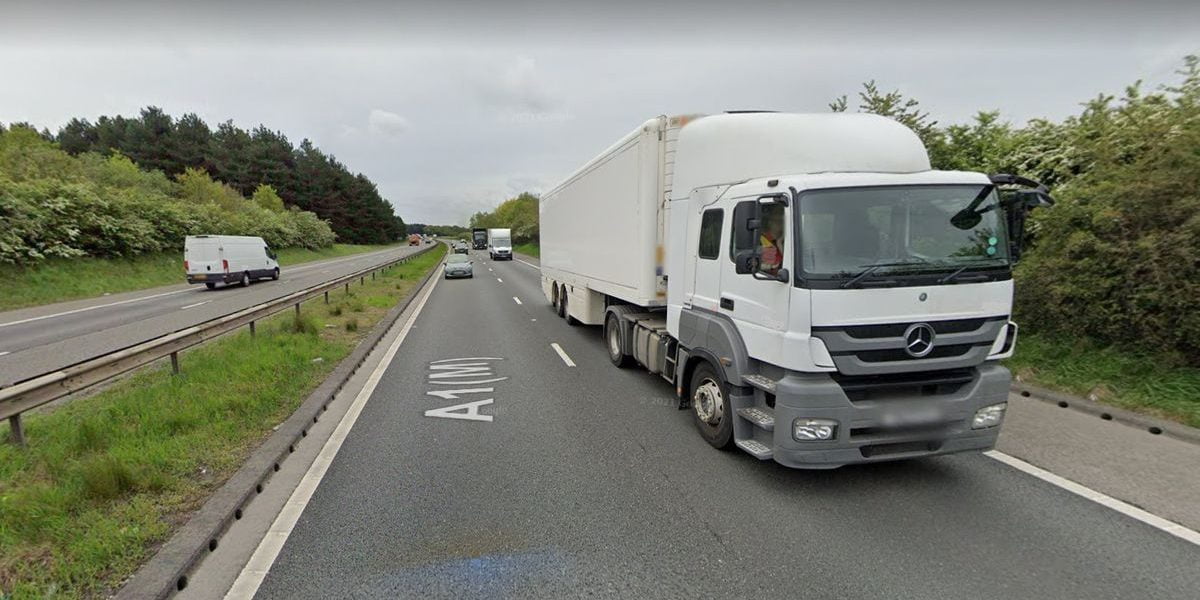
The new motorways eliminate the use of a hard shoulder and instead turn it into a permanent live traffic lane in order to increase capacity on the roads and prevent congestion.
Smart motorways utilise technology to maintain traffic flow and provide information on overhead displays.
Some roads have three or more lanes, various speed limits and a hard shoulder (either open permanently or at select times).
They have been in use since 2002, but the roads with a permanent lack of hard shoulders were only implemented in 2014.
However, this lack of safety has resulted in several deaths after cars broke down with nowhere to go.
Recent protests in London have highlighted the dangers and the consequences of these ‘forward-thinking’ smart motorways.
Jason Mercer, 44, passed away on Friday 7 June 2019 after being involved in a minor collision with another car on the M1 near Sheffield.
When the pair got out of their cars to exchange details, they were tragically hit by a passing lorry.
The deaths could have been avoided if the hard shoulder was made available to them.
People marched with coffins to the Houses of Parliament on Monday 1 November in protest of the continuation of these motorways being used the way they are currently.
In a report, the Commons’ Transport Select Committee detailed how there was not enough safety on smart motorways to justify the continuation of their plans.
The report said: “The government and National Highways should pause the rollout of new all-lane running schemes until five years of safety and economic data is available for every all-lane running scheme introduced before 2020 and the implementation of the safety improvements in the government’s action plan has been independently evaluated.”
The Department for Transport is still considering their options, choosing to delay the opening of hard shoulders into live lanes, but they have not stated that they would remove the already-existing lanes either.
The five-year delay will give the government a chance to collect more data to better determine what their next actions should be.
Some people, like Jason’s wife, are worried that the report has not done enough for the 38 people that have been killed on smart motorways between 2014 and 2019.
However, the government have argued that the reinstatement of hard shoulders could cause even more deaths – “25 deaths and 224 serious casualties per year” – as capacity is reduced.


