

 By
By Investigations into hunt for Covid’s origin
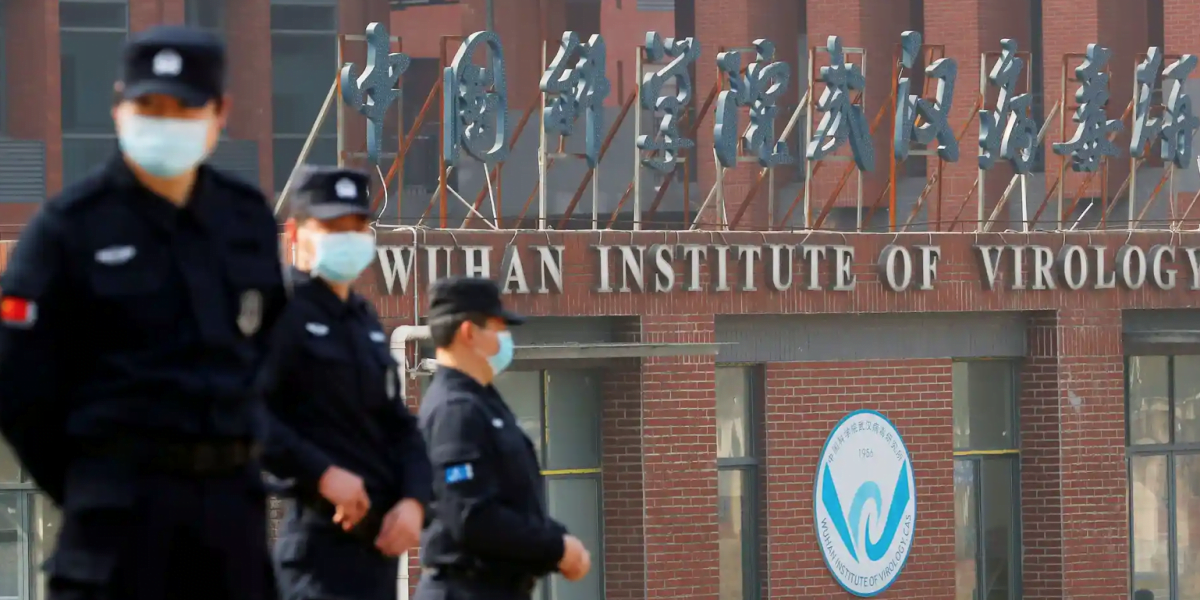
In recent weeks there has been renewed focus on whether it could have escaped from a Chinese laboratory. However, new findings strengthen the case for a natural origin, in what has become a heavily politicised debate.
When the World Health Organisation sent a preliminary mission to China in January, the team interviewed personnel at labs in Wuhan, the city where Covid-19 was first reported, but it did not carry out a thorough forensic investigation, because that wasn’t its remit.
A team of WHO-appointed scientists flew to Wuhan earlier this year on a mission to investigate the source of the pandemic. After spending 12 days there, which included a visit to the laboratory, the team concluded the lab-leak theory was “extremely unlikely”.
“It was never an audit,” says Keith Hamilton, the head of preparedness and resilience at the Paris-based World Organisation for Animal Health, who accompanied the team. “It was a collaboration with colleagues in China to look at evidence and design studies for further investigation.”
Will we ever know the real cause for Covid-19?
Given the massive human toll of the pandemic – which has now claimed the lives of 3.5 million people worldwide – most scientists think understanding how and where the virus originated is crucial to prevent it happening again.
Some believe Covid emerged from bats while other theories state it was manmade or natural.
China has hit back at suggestions the virus may have escaped from a laboratory by calling it a smear, and it has suggested the coronavirus may have have entered the country in food shipments from another country.
Even the WHO’s own director-general, Dr Tedros Adhanom Ghebreyesus, has called for a new investigation, saying: “All hypotheses remain open and require further study.”


