

 By
By Biggest rail strike in 30 years begins as major disruption is expected
Today marks the first of three days in the largest rail strike action in 30 years, with widespread disruption expected for the rest of the week.
More than 40,000 RMT union members from Network Rail and 13 train firms walk out today in what’s been called the “biggest rail strike in modern history”.
There are also 10,000 RMT members from the London Underground striking today.
The rail row is over pay and redundancies while the strike on the tube is over pensions and job losses.
Essential workers, hospitality staff, and students sitting exams are among the people likely to be hardest hit by the strikes.
More strike action is planned for Thursday 23 and Saturday 25 June as members of the public are being advised not to travel by train.
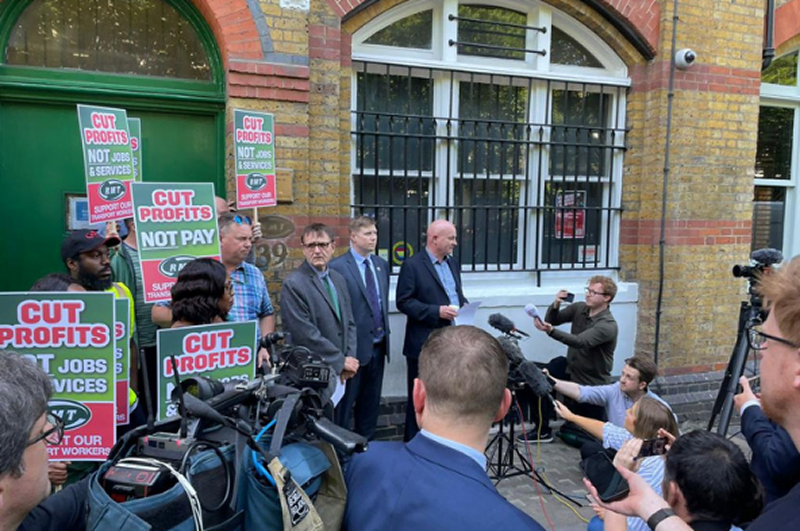
Throughout this morning RMT Union workers have been setting up pickets across the country as buses are expected to be much busier than usual.
Major city routes and some local roads are also expected to have higher volumes of traffic as commuters avoid rail travel.
Yesterday RMT leaders and the government met for a final attempt at negotiations but no conclusion could be decided on.
RMT General Mick Lynch said: “Faced with such an aggressive agenda of cuts to jobs, conditions, pay and pensions, RMT has no choice but to defend our members industrially to stop this race to the bottom.
“The strikes on Network Rail, the Train Operators and London Underground will go ahead, and we again call on our members to stand firm, support the action, mount the pickets and demonstrate their willingness to fight for workplace justice.
“The RMT supports the campaign for a square deal for all working people in the face of the cost-of-living crisis, and our current campaign is a part of that more general campaign which means that public services have to be properly funded and all workers properly paid with good conditions.”
Roughly a fifth of normal services are expected to run across the three days as the hospitality sector is estimated to lose £500 million.
Restaurants, pubs, and other hospitality venues are either closing early or not opening at all as a lack of travel will mean a lack of trade.
(Image: RMT)


